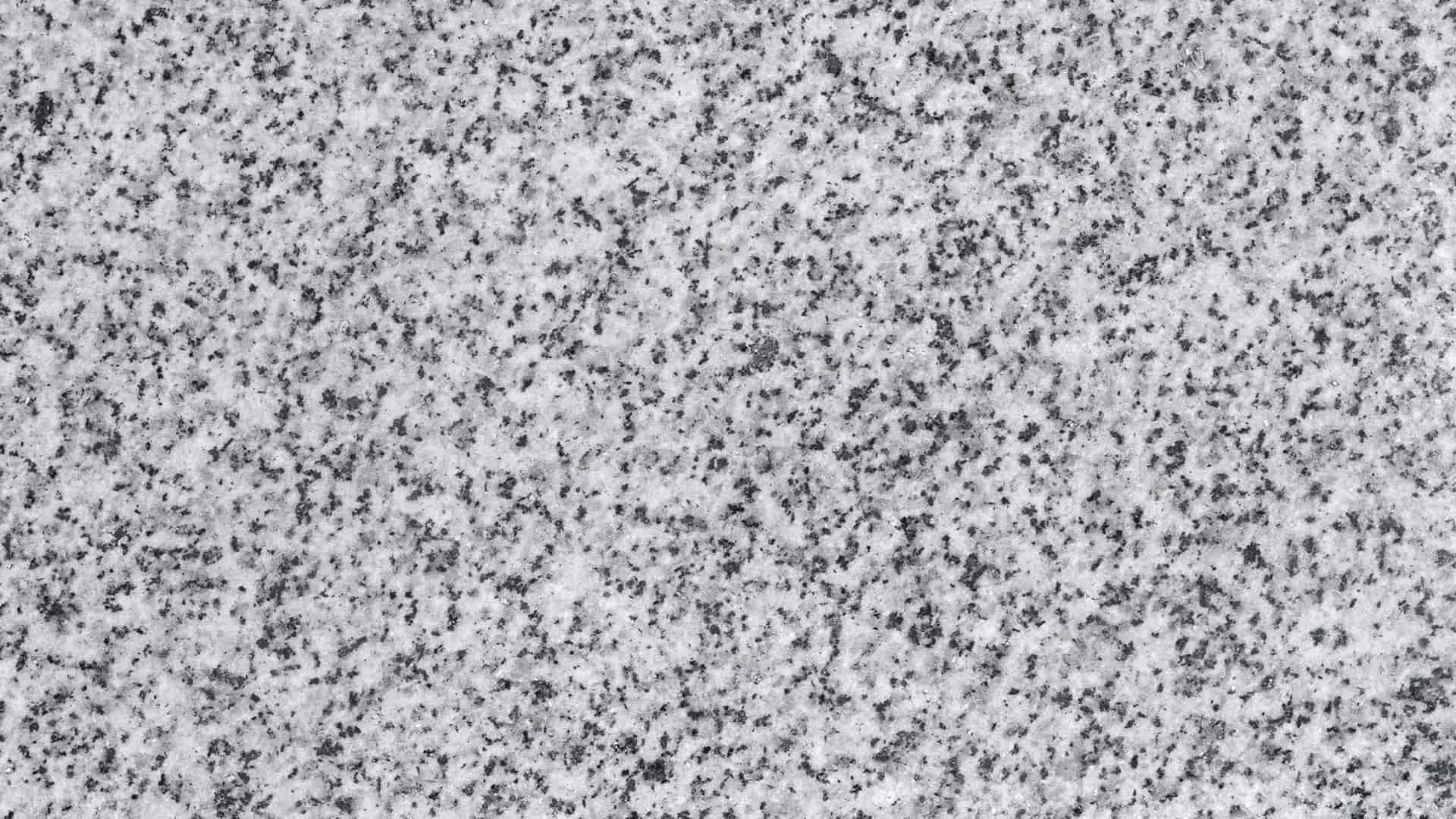
Nehbandan Pepper Granite 301
Nehbandan granite is a granite stone, known for its natural beauty and quality. It is located in the Nehbandan region of South Khorasan Province.
Nehbandan granite is known as one of the best types of granite inside and outside Iran, and the reason for this is its special appearance with unique physical properties.
Nehbandan Pepper Granite 301 Description:
What is Granite?
Granite is an igneous rock, meaning it is formed from molten lava deep within the Earth’s crust. As the lava cools, it crystallizes under great pressure. Crystallization is the reason for the color spots in this rock; the longer the molten rock takes to cool, the larger the color spots or grains will be. In fact, this rock gets its name from the Latin word granum, meaning grain. The price of granite varies based on color, texture, and intended use.
What is Nehbandan Pepper Granite?
Nehbandan granite has beautiful and eye-catching patterns, which usually include dark gray and white colors. Since Nehbandan granite is very hard and resistant, it is used as a building material in construction. Its common applications include flooring, wall coverings, stairs, sidewalks and other architectural works.
Nehbandan granite is an excellent choice for interior and exterior applications due to its high resistance to pressure, abrasion and the effects of time. Also, this type of granite performs well against cold and hot weather and has good resistance to adverse weather conditions. The origin of this widely used stone is in Khorasan Province.
Uses of Nehbandan granite stone
- Paving stones for office, commercial and educational buildings
- Parking lot paving stones
- Staircase and wall paving stones and footings
- Paving stones for areas and sidewalks in flamed and cubic form
- Exterior stone in dry climate areas
- Interior stone for buildings
Contraindications for Nehbandan granite stone
- Paving stones for residential houses.
- Hospitals and places where there is a possibility of radioactive radiation.
- Places where there is a possibility of contact with strong chemicals.
- Paving stones for places that are exposed to high humidity or severe pollution.
Nehbandan Granite Stone Specifications
Nehbandan granite stone is one of the examples of granite stones that has a bright background and coarser grain than some similar granite stones. These characteristics make Nehbandan granite stone a popular choice in architectural and construction projects, because it has natural beauty and high quality. This stone is considered a good choice for various types of construction projects due to its high resistance to pressure, abrasion, and weather effects.
Nehbandan granite stone is available in various types of varieties, each of which has its own characteristics. In the market, these varieties are usually referred to by specific names. Below we will mention the types of varieties.
The distinctive features of Nehbandan granite stone include
- high resistance to pressure and low water absorption, which makes it a suitable choice for various construction applications.
- Due to its high compressive strength, this stone is very suitable for applications that require a strong
- durable surface, and due to its low water absorption, it is suitable for use in exterior spaces of buildings.
- Nehbandan granite is usually cut into various dimensions, including lengthwise, steps and slabs.
- Nehbandan granite has high resistance to acid rain, cold and heat, alkaline materials, impact and pressure.
- bright and uniform background color
- resistance to cold and weathering
- good polishability
- high density
Order form :
Product name: Nehbandan Pepper Granite 301
