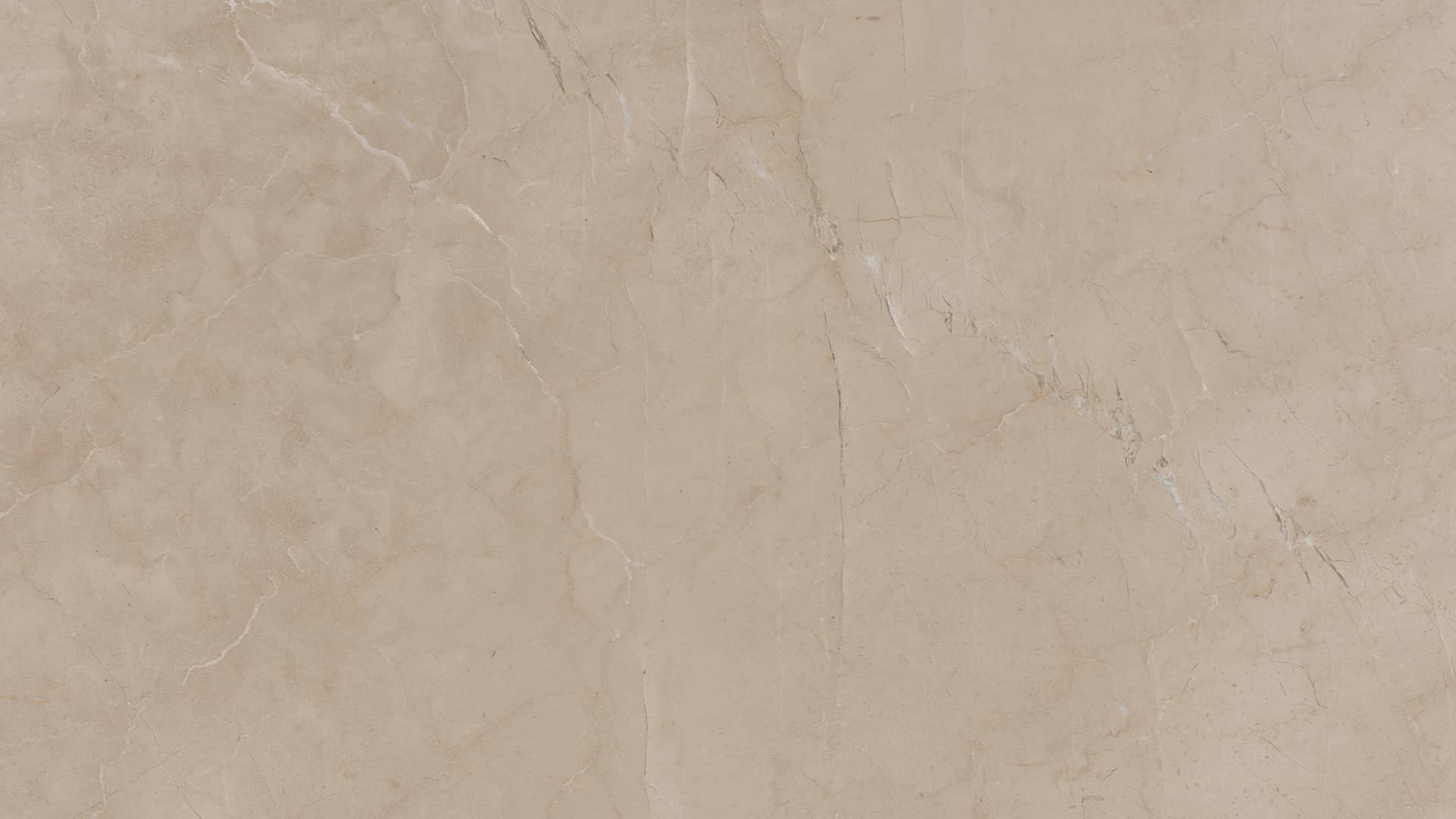
Pearl Stone Marble 208
Pearl marble has a cream background with thin crystalline veins. This stone has been welcomed and paid attention to by architects and builders due to its cream background design, high transparency and excellent sandability.
Pearl stone is often processed in the form of large slabs and blocks.
Pearl Stone Marble 208 Description:
What is Marble?
Marble is actually a sedimentary limestone that is different from marble. Marble is composed of calcium carbonate, calcite, dolomite and crystal, which is divided into three categories of crystal, cloudy and porcelain stones. This natural building stone has minerals that have caused marble stones to have a wide variety of colors.
What is Pearl Stone Marble?
Pearl marble has a light cream and beige background with crystal veins called deer antlers. Other varieties of pearl marble also have the same transparency and beauty; the only difference is that its background color is slightly darker or has more deer antlers and impurities.
A distinctive feature of pearl marble is its low water absorption and excellent sandability. This stone is slightly darker than other stones in the region and is often processed in the form of large slabs and blocks and is used in paving residential, office and commercial units and interior facade stone of buildings.
Features of Pearl Marble
A notable feature of Pearl Marble is its low water absorption and excellent sandability.
Other features of Pearl Stone include:
- Scratch and abrasion resistant
- Low porosity
- Very low water absorption
- Excellent sandability
- Suitable compressive strength
- Color stability
- Beautiful and luxurious
Applications of Pearl Marble Stone
Pearl marble stone with its shiny and polished surface with a uniform design is a very good option for covering the floor of the interior space. The interior space can be the paving stone of residential units or the paving stone of the lobby and corridors.
This stone can be used as a wall covering in longitudinal dimensions. Also, higher thicknesses of this stone are used as stepping stones.
- Use for interior facades
- Use for stepping stones
- Use for kitchen countertops
- Use as a floor stone in residential, office and commercial units
- Bathrooms
Price of Pearl Marble Stone
The price of Pearl Marble Stone depends on various factors:
- The brighter and more uniform the color of the stone, the higher its price.
- Stones with fewer veins and fewer fossils have a higher price.
- The thickness of Dehbid stone has a direct effect on it.
- The larger the dimensions of Dehbid stone and the more precise the cuts, the higher the price.
- The quality of processing Dehbid stone in terms of cutting, cutting, and resin will have a great impact on the price of the stone.
This stone has special fans because of its bright design and color and is much more expensive. Also, this stone is divided into several types after cutting and cutting, and the types with fewer veins, brighter, and cleaner types have a higher price.
And since the cost of producing large-sized stone (slabs) is much higher than small-sized ones, the price of this stone with large dimensions and slabs will be higher. And the last factor affecting the price is the type of processing.
The materials used in the stone production process, such as epoxy, UV, mesh behind the stone, the quality of the sub, the accuracy of the cut, the roughness, the thickness of the stone, and the uniformity of the stone. All of these factors will affect the price of the stone.
Order form :
Product name: Pearl Stone Marble 208
